There’s a certain value in doing hard things, in the sense of accomplishment that comes from facing a challenge and “winning.” As a general rule, I’m not one to shy away from hard. Juggling grad school, working full-time, coaching, training, and racing? Got it. Pile on emotional stressors from a break up, unexpected financial burdens, and injury? Ok… still got it. Maybe. (Or maybe not, but I’m going to do everything possible to make the world think I’ve got it). But take away all of that, and give me the “easy” task of “injury recovery”? Um…guys?!
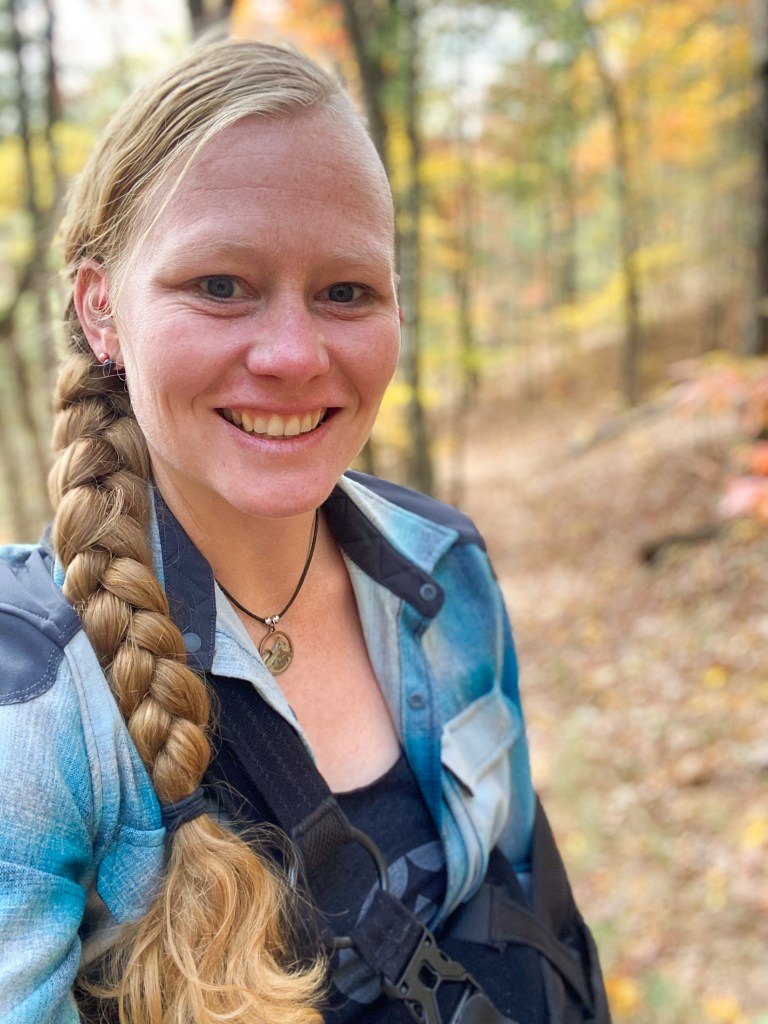
As a little bit of background, I first injured my shoulder in a slow-speed fall almost exactly a year ago, in January 2024. I tipped over, landed awkwardly, and subluxed my shoulder (essentially dislocated my shoulder, but it went back in place on its own). I was (rightly) terrified of re-injuring it, but my precautions were for naught, as it eventually slipped out again, mid-bunny hop on a local trail feature that I’d ridden 1000 times. And then again, and again, and again. Despite P.T. treatments over the spring and summer, by late September, I had probably subluxed it more than 30 times, and it was no longer stable enough to do minor household tasks without coming out of place. Surgery became the only option.
I went into surgery fully aware that recovery would likely be a full six months for full “return to play” (aka., racing mountain bikes). What I didn’t realize as fully was how hard that would actually be.
I had one task: injury recovery. Follow the doctor’s orders. Don’t move your arm at all for six weeks. Then start to move it slowly. At 12 weeks, you can start riding a bike–but only on smooth pavement. Then… we’ll see.
My perfectionistic, high-anxiety, type-A brain is very task-driven. Physical activity is a coping mechanism. Give me a goal, and I’ll find a way to make it happen. But when the goal is “sit still,” I’m at a loss. The engine starts sputtering, and I’m not really sure I know how to deal with the complete uncertainty of when, or if, I’ll be able to meet said goal.
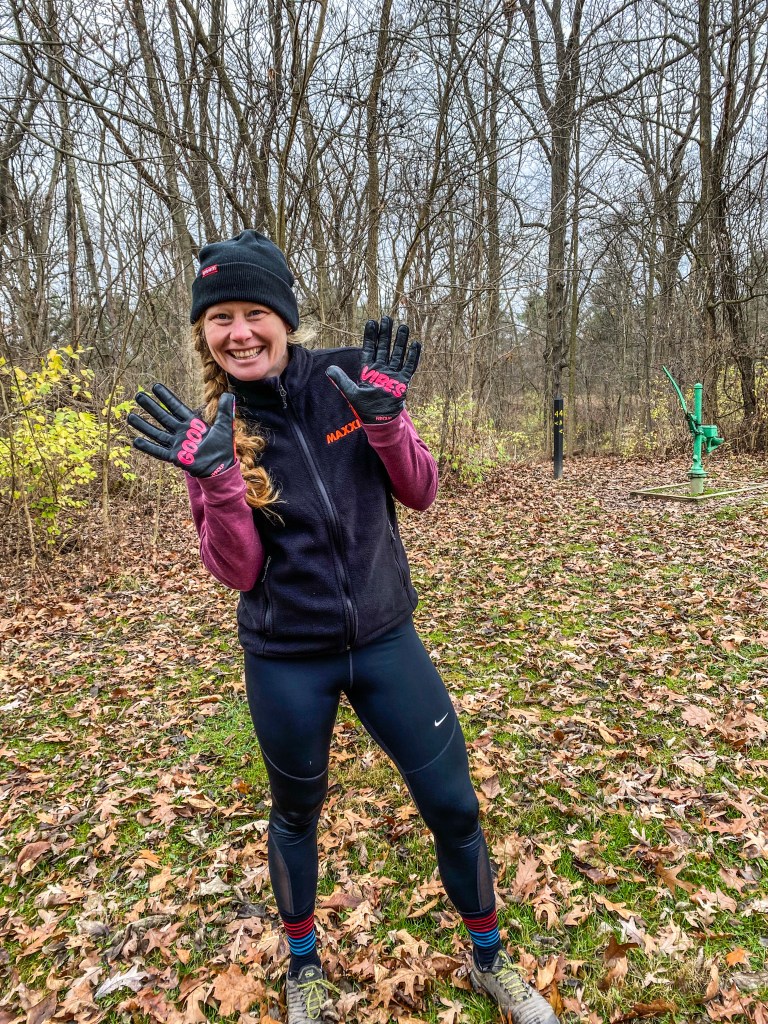
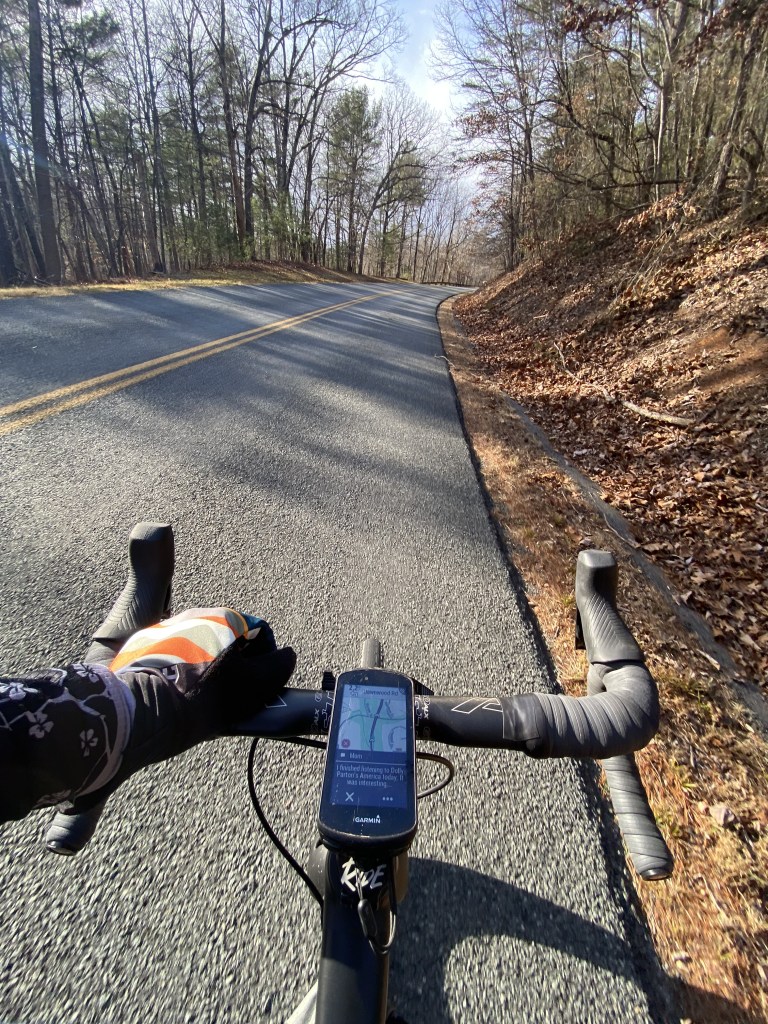
As of writing this, I’m just over 12-weeks post-op. I’m past the point of wanting to silently murder everyone who asks me how my shoulder is when the only answer I had was “I don’t know.” I’m out of the sling, and finally have clearance to ride outside on the road. In some ways, this is a huge landmark in recovery. But it’s also the last landmark. Up until this point, I had periodic, given signposts to look forward to and mark my progress: P.T. starts after two weeks, I get my sling off at 6 weeks, at 12 weeks, I can start weight-bearing slowly and start riding outside. Now? I don’t know. I have another doctor’s appointment in 3 weeks–but otherwise, have no more “goals” other than the ambiguous “you should be able to race again at 6 months post-op.” Maybe. Hopefully.
I’m (maybe) halfway through this process of injury recovery. In reality, I’ve been dealing with this injury for over a year, though the last 12 weeks have certainly been more acute. So what have I learned?
- It’s not easy. There is nothing easy about being injured or recovering from injury. In fact, it really sucks. Physically, it’s hard. Sometimes I feel like I’m completely re-learning how to move my arm. Mentally, it’s harder. Being injured as an athlete often removes you entirely from your social circles, it takes away your sport and coping mechanism, it introduces a ton of uncertainty, and so much more. Even when you reach certain milestones (like being able to ride outside), it seems like the injury recovery process continues to throw mental curveballs (like realizing how much fitness you lost & how slow you feel on the bike).
- Hold your friends close. I am so grateful for the friends that brought me meals in the first few weeks after surgery while I was still figuring out how to cope with just one arm, for the ladies who offered to braid my hair when I couldn’t, for the friends who texted or called just to check in and make sure I was doing ok. One of the positive parts of this journey has been the ways in which I’ve been forced to seek out social connection outside of just riding bikes, whether that has been volunteering for local cycling events, meeting friends for drinks or coffee, or participating in game nights or book clubs.
- Embrace the alternatives. When I realized that I couldn’t ride, couldn’t run, couldn’t climb, couldn’t lift weights… I had to figure out what I could do. For me, the answer was walk. I walked hundreds of miles this fall, oftentimes solo and listening to podcasts or audio books. When I wasn’t walking, I read books (lots and lots of them), or spun on a trainer. With some guidance from my P.T., I put together a small workout routine that I could do while in a sling without putting stress on my shoulder–and have slowly expanded that as my restrictions have decreased. I’ve also watched more Netflix in the last 3 months than in the last 3 years… and all of that is ok.
- Be patient. This is the one thing I keep coming back to. Just. Be. Patient. It will come. My body will heal. I will be strong again eventually. But for that to happen, I have to be patient with the process.
Of course, I’m still hoping that the original estimate of being race-ready at 6-months post-op is accurate. Like my surgeon said, I don’t lack for work ethic or pain tolerance–I just need to be patient in the interim… and I suppose that also means being patient with this ridiculous arctic weather that arrived just as I got permission to ride outside. 🙂
 Ride Fierce Racing